Backpack Fit, Organization and Everyday Comfort
Published
A backpack can make a busy day easier by keeping both hands free and distributing belongings across two shoulders. The right choice depends on the load you carry, the distance you walk and the places you go. A bag used for a short trip across campus may not need the same organization as one that accompanies you through a full workday or a weekend away. Start with the items that must fit and the features you will reach for regularly.

Fit begins with the straps. They should adjust easily and rest comfortably without cutting into the shoulders. Once packed, move around and check whether the bag rides too low, shifts from side to side or presses awkwardly against your back. Keep heavier objects closer to your body where possible and avoid carrying more than you need. A compact backpack is often easier to manage in crowds, while a larger design may suit extra layers or equipment.
Organization is useful when it solves a real problem. A dedicated pocket can separate small essentials from larger items, but too many compartments may make a bag harder to pack. Think about what you routinely misplace. If it is a transit card, quick access may help; if it is a notebook, a structured space may keep it from bending. Check pocket and bag dimensions if you need a particular device or bottle to fit.
Backpack type can signal both look and intended use. Canvas and nylon shapes often read as casual, while smoother finishes may create a more polished appearance. A school-inspired silhouette can work for commuting too, provided its size and comfort suit your day. Product names are not guarantees of fit, so check measurements and images. If a listing does not provide dimensions that matter to you, confirm them before purchase.
Packing order can improve comfort. Place flatter objects near the back panel, keep frequently used essentials accessible, and avoid letting hard items press into one spot. Put heavier belongings in first and closer to the body, then fill remaining space with lighter pieces. A short walk with the backpack fully packed is a better fit check than trying it on empty in front of a mirror.
For a school or office day, list the non-negotiables: notebook, charger, keys, wallet, lunch or bottle. Measure unusually large items and compare them with the stated dimensions rather than assuming a device will fit because the bag is called spacious. For travel, consider local transit, quick access and whether the packed backpack will sit comfortably alongside other luggage. Exact airline and carrier rules vary, so check them separately.
A practical outfit need not feel purely functional. A clean backpack shape can complement jeans and a jacket, while a soft canvas style suits relaxed layers. Neutral colors are easy to repeat; a distinctive shade can make the bag a visible accent. Choose straps and proportions that feel balanced with your frame and clothes. Comfort deserves extra attention when you expect to carry the bag for long periods.
Care depends on material. Empty the backpack regularly, brush away dry debris gently and follow the instructions for its fabric or finish. Do not machine wash or use strong cleaners unless the product information says it is safe. Let the bag dry fully before storing it and avoid compressing it under heavy objects. Check seams and closures periodically; sensible packing reduces unnecessary strain.
Consider three examples. A commuter carrying a tablet, bottle and small lunch may prioritize comfortable straps and a quick-access pocket. A student with books may value a stable shape and clear dimensions. A weekend traveler may care about access and a secure closure. The best design changes with the load, so compare it against your own routine rather than an imagined average user. Browse JOSEKO backpacks, narrow down to nylon or canvas styles, and visit the style blog for more advice.
| Detail | Why it matters |
|---|
| Adjustable straps | Helps tune the fit |
| Compartments | Can separate small items |
| Dimensions | Show likely capacity |
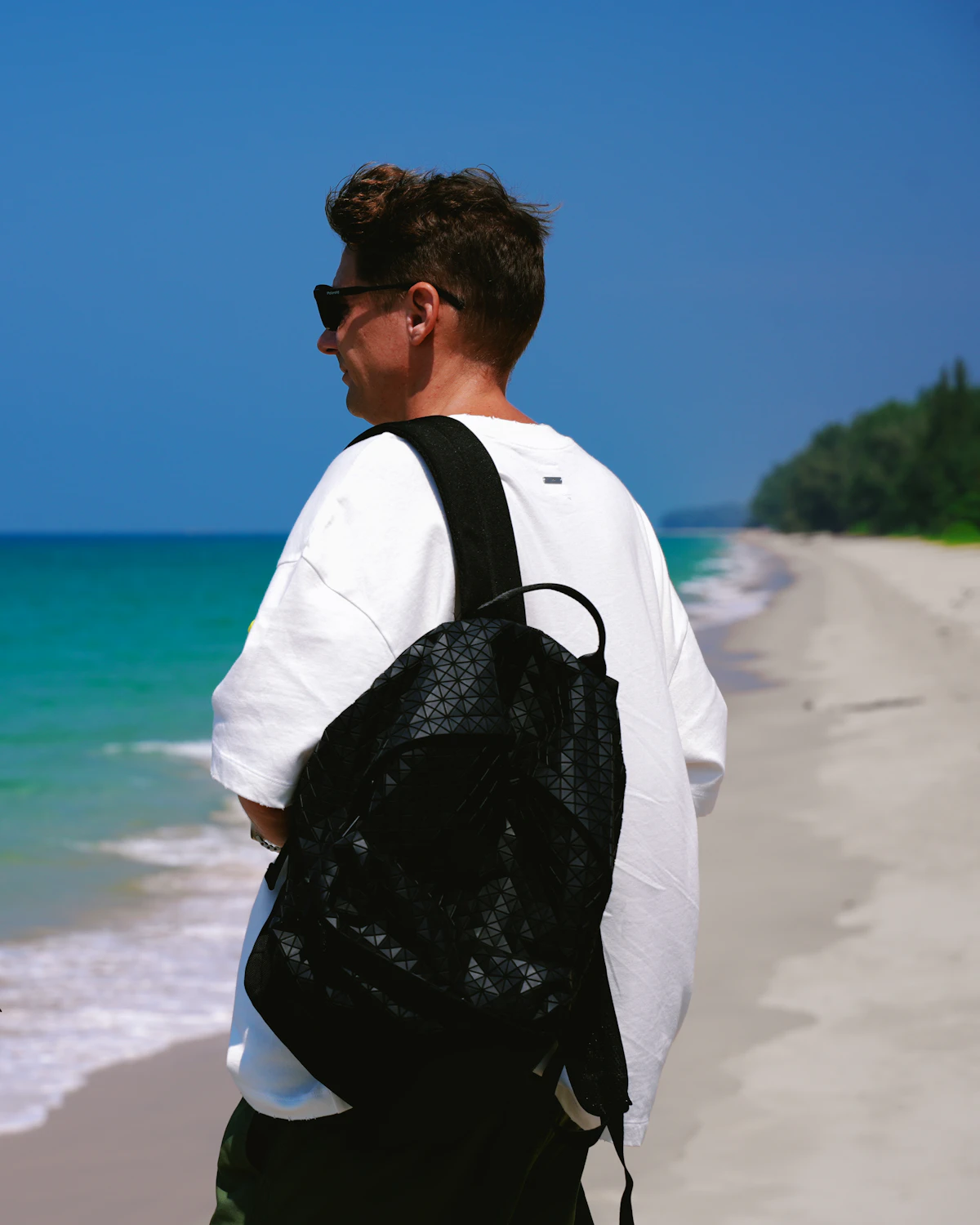
Before you leave, picture the weight you will carry on a typical day and test how it sits against your back. If the bag shifts or presses in one place, repack the heavier objects closer to the panel or choose a smaller load. Comfort comes from the combination of fit, packing order and time on foot.
Make your shortlist around the objects and route you actually have: a campus day, office commute or weekend trip each calls for different capacity. Check strap adjustment, closure access and stated measurements together, then try the packed shape on a brief walk. Those small comparisons can help a backpack feel considered from morning to evening.
Plan a comfortable carry for the week ahead with: backpacks, straw bags and all articles.